
Why Heavy Smokers Prefer Stronger TEREA Early On

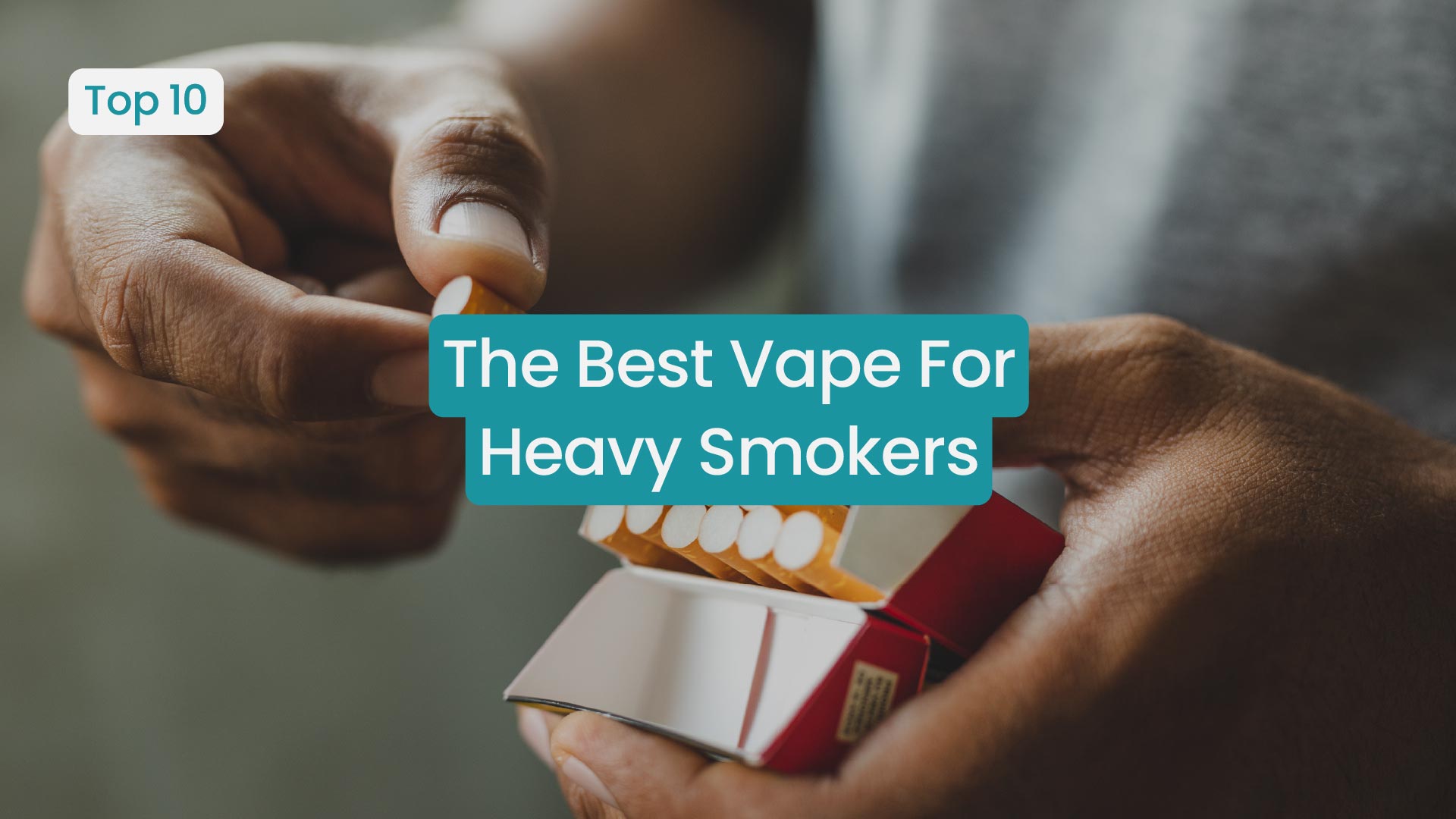
Heavy smokers often gravitate toward stronger TEREA variants early on for a mix of physiological, psychological, and habit-driven reasons. It’s not just about “preference”—it’s usually tied to how nicotine dependence, tolerance, and sensory expectations develop over time.
Let’s break it down in a clear, realistic way.
Why Heavy Smokers Prefer Stronger TEREA Early On
1. Higher Nicotine Tolerance From Prior Smoking Habits
Most heavy smokers come from traditional cigarettes or high-nicotine products. Over time, the body adapts to nicotine exposure, leading to tolerance.
When tolerance builds:
- Lower-strength options feel “flat” or unsatisfying
- The brain requires a stronger nicotine hit to feel the same effect
- Subtle blends may not prevent cravings effectively
So when switching to or starting with TEREA, heavier users often choose stronger variants because they better match what their body is already used to.
2. Matching the “Throat Hit” Expectation
One of the most important sensory factors is the throat hit—the physical sensation felt when inhaling nicotine.
Heavy smokers typically expect:
- A sharper sensation in the throat
- Stronger immediate impact on inhalation
- A fuller “smoke-like” experience
Stronger TEREA sticks are designed to replicate that sensation more closely than mild variants. If the hit feels too soft, many users feel like the product is “not working,” even if nicotine is still present.
3. Psychological Satisfaction and Habit Reinforcement
Smoking is not just chemical—it’s deeply behavioral.
Heavy smokers associate smoking with:
- Stress relief
- Break routines
- Focus enhancement
- Post-meal satisfaction
Stronger sticks help reinforce that ritual faster. The brain associates stronger nicotine delivery with “completion” of the habit loop, making the experience feel more satisfying early on.
4. Avoiding Compensation Behavior
When smokers use weaker products, they often compensate unconsciously by:
- Taking more frequent puffs
- Inhaling deeper or longer
- Using more sticks per day
Heavy smokers often avoid this by choosing stronger options upfront. It feels more efficient and reduces the urge to overuse the device.
In other words, stronger TEREA can feel like it “does the job faster,” which aligns with established smoking patterns.
5. Faster Craving Relief
Nicotine cravings can feel urgent for heavy users. Stronger variants tend to:
- Deliver satisfaction more quickly
- Reduce the “waiting for effect” feeling
- Help stabilize mood faster
This speed matters. A mild stick may technically deliver nicotine, but if the relief feels delayed, users perceive it as ineffective.
6. Sensory Familiarity From Cigarettes
Traditional cigarettes—especially stronger brands—deliver:
- Dense smoke sensation
- High nicotine spikes
- Strong aroma and throat impact
When switching to heated tobacco systems like IQOS ILUMA, heavy smokers often choose stronger TEREA variants because they:
- Feel closer to cigarette intensity
- Reduce the sense of “missing something”
- Ease the transition psychologically
This is especially true in the first weeks of switching.
7. The Brain’s Reward System Adjustment
Nicotine activates dopamine pathways in the brain. Heavy smokers have a conditioned reward response that becomes less sensitive over time.
So:
- Mild stimulation → weak reward signal
- Strong stimulation → familiar reward response
Stronger TEREA helps recreate that expected dopamine response pattern, even if only partially.
8. Early Misconception: “Stronger = Better Satisfaction”
Many heavy smokers initially assume:
- Stronger sticks = better experience
- Milder sticks = ineffective or weak
This is partly psychological conditioning. In reality, satisfaction depends on consistency, device performance, and nicotine delivery efficiency—not just intensity.
However, early in usage, perception matters more than technical balance.
9. Stress and Emotional Regulation
Heavy smokers often use nicotine as a coping mechanism for:
- Stress
- Anxiety
- Work pressure
- Fatigue
Stronger TEREA sticks may feel more effective for quick emotional relief because the nicotine impact is more noticeable.
This reinforces early preference patterns before users gradually adjust.
10. Transition Phase Behavior
When switching from cigarettes to IQOS ILUMA systems, many users go through a “transition phase” where:
- They compare everything to cigarettes
- They test different strengths
- They try to replicate old smoking intensity
During this phase, stronger TEREA is often chosen simply because it feels closer to what they are used to.
Important Reality Check
While stronger sticks may feel more satisfying early on, preference can change over time. Many users eventually:
- Reduce intensity once their body adapts
- Switch to milder variants for smoother sessions
- Focus more on flavor consistency than strength
So early preference doesn’t always define long-term usage habits.
Conclusion
Heavy smokers prefer stronger TEREA early on mainly because of nicotine tolerance, sensory expectations, and habit reinforcement. Stronger variants deliver a faster, more familiar experience that aligns with established smoking behavior, especially during the transition from traditional cigarettes.
However, this preference is often transitional. As the body and brain adjust, the need for higher intensity may decrease, and many users start prioritizing balance, smoothness, and consistency over raw strength.