
Are IQOS HEETS Safer Than Traditional Cigarettes

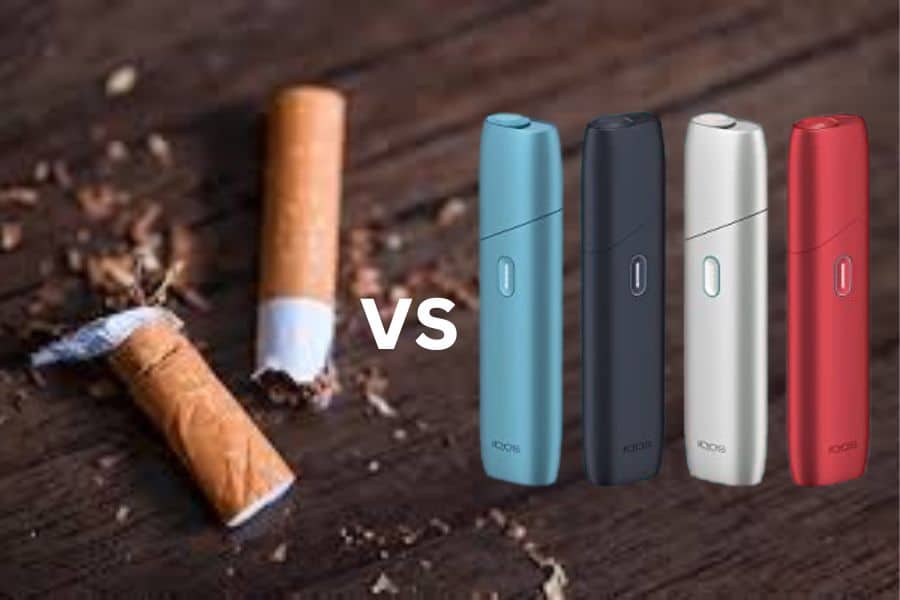
IQOS HEETS are part of a category called heated tobacco products (HTPs). They are designed to heat real tobacco instead of burning it like a normal cigarette. Because of this difference, many people believe they are “safer” or “less harmful” than traditional cigarettes. But the real answer is more complicated.
In this article, we will explain in detail how IQOS HEETS compare to traditional cigarettes, what science currently says, and what “safer” really means in this context.
1. Understanding the Difference: HEETS vs Cigarettes
To understand safety, you first need to understand how both products work.
Traditional cigarettes
A normal cigarette works by burning tobacco at very high temperatures (around 600–900°C). This process creates smoke that contains:
- Tar
- Carbon monoxide
- Thousands of chemicals
- Many known carcinogens (cancer-causing substances)
The biggest health problem in cigarettes is combustion (burning). Burning tobacco produces toxic smoke that directly damages lungs, blood vessels, and many organs.
IQOS HEETS (Heated Tobacco)
IQOS HEETS are small tobacco sticks used in an IQOS device. Instead of burning, the device:
- Heats tobacco to around 300–350°C
- Produces an aerosol (vapour-like smoke)
- Avoids full combustion
Because there is no full burning, the idea is that fewer harmful chemicals are produced.
However, it is important to understand:
👉 HEETS still contain real tobacco
👉 HEETS still produce nicotine
👉 HEETS still create toxic chemicals—just in lower amounts
2. Why People Think HEETS Are Safer
The main argument for IQOS being “safer” is based on reduced exposure to harmful chemicals.
Scientific comparisons show:
- HEETS produce lower levels of toxic chemicals than cigarettes
- Carbon monoxide exposure is much lower
- Some carcinogens are reduced by around 50–90% depending on the compound
One study found that heated tobacco products like IQOS emit significantly lower levels of harmful substances compared to cigarette smoke, although they are not completely free of toxic compounds.
This is why companies promote them as “reduced-risk” products.
3. What Science Actually Confirms
Even though HEETS may reduce some toxic exposure, science does NOT say they are safe.
Research shows a mixed picture:
What is reduced:
- Lower levels of many toxic chemicals
- Lower carbon monoxide exposure
- Reduced combustion-related toxins
What still exists:
- Nicotine (highly addictive)
- Cancer-linked chemicals (though lower amounts)
- Respiratory irritants
- Carbonyl compounds and volatile organic compounds
One independent analysis found that while IQOS reduces many harmful emissions compared to cigarettes, it still produces harmful substances linked to cancer and lung disease.
So the key idea is:
👉 “Less harmful” does NOT mean “harmless”
4. Nicotine Risk: Same Addiction Level
A very important point often ignored is nicotine content.
IQOS HEETS:
- Deliver similar nicotine levels to cigarettes
- Still cause strong addiction
- Still affect brain chemistry
Nicotine itself is not the main cause of cancer, but it:
- Creates dependence
- Raises heart rate and blood pressure
- Makes quitting difficult
So even if HEETS reduce smoke toxins, they do NOT reduce addiction risk.
5. Health Risks of IQOS HEETS
Even though they are “reduced exposure” products, HEETS still have health risks.
5.1 Lung and breathing effects
Studies suggest heated tobacco can still:
- Irritate airways
- Increase inflammation
- Affect lung function over time
Some research indicates potential respiratory risks similar in direction (though sometimes lower intensity) than cigarettes.
5.2 Heart and blood vessel risks
Nicotine and other chemicals can:
- Increase heart rate
- Raise blood pressure
- Stress the cardiovascular system
Even without smoke, nicotine exposure still affects the heart.
5.3 Cancer risk (reduced but not zero)
Because HEETS still contain tobacco:
- Some carcinogens remain
- Long-term cancer risk is still possible
- The risk is likely lower than cigarettes but not eliminated
5.4 Unknown long-term effects
One of the biggest problems is time:
- HEETS are relatively new
- Long-term (20–30 year) studies are not available
- Many conclusions are still based on short-term research
Because of this, experts say the full health impact is still uncertain.
6. Are HEETS a Harm Reduction Tool?
Many researchers describe IQOS as a harm reduction product, meaning:
- If a smoker completely switches from cigarettes → risk likely decreases
- If someone continues smoking both → benefit becomes much smaller
- If a non-smoker starts using HEETS → risk increases unnecessarily
So the “safer” idea only applies in a very specific case:
👉 adult smokers switching completely from cigarettes
Even then, it is not risk-free.
7. Important Misunderstanding: “No Smoke = Safe”
A common belief is:
“If there is no smoke, it must be safe”
This is incorrect.
HEETS still produce an aerosol containing:
- Nicotine
- Ultrafine particles
- Chemical compounds from heated tobacco
Even without burning, heating tobacco still creates harmful substances due to chemical breakdown.
So:
❌ No combustion does NOT mean no danger
❌ Vapour does NOT mean harmless air
8. Comparison Summary
Here is a simple breakdown:
Traditional cigarettes
- Very high toxic exposure
- High cancer risk
- High cardiovascular risk
- Proven deadly long-term
IQOS HEETS
- Lower toxic exposure than cigarettes
- Still contains harmful chemicals
- Still highly addictive
- Long-term risks not fully known
9. Final Verdict: Are IQOS HEETS Safer?
The most accurate scientific answer is:
✔ YES — BUT ONLY RELATIVELY
IQOS HEETS are generally considered less harmful than traditional cigarettes in terms of toxic chemical exposure.
❌ NO — THEY ARE NOT SAFE
They still:
- Deliver nicotine addiction
- Expose users to harmful chemicals
- Carry unknown long-term risks
- Can still affect lungs and heart health
10. Simple Conclusion
IQOS HEETS are best understood like this:
They are likely less harmful than cigarettes, but still harmful.
The reduction in toxic chemicals comes mainly from avoiding combustion, but the product still uses tobacco and still produces dangerous substances.
If someone does not already smoke, starting IQOS does not provide any health benefit. And for smokers, the safest option remains complete quitting, not switching to another nicotine product