
How to Verify Original Uzbekistan Tobacco Sticks

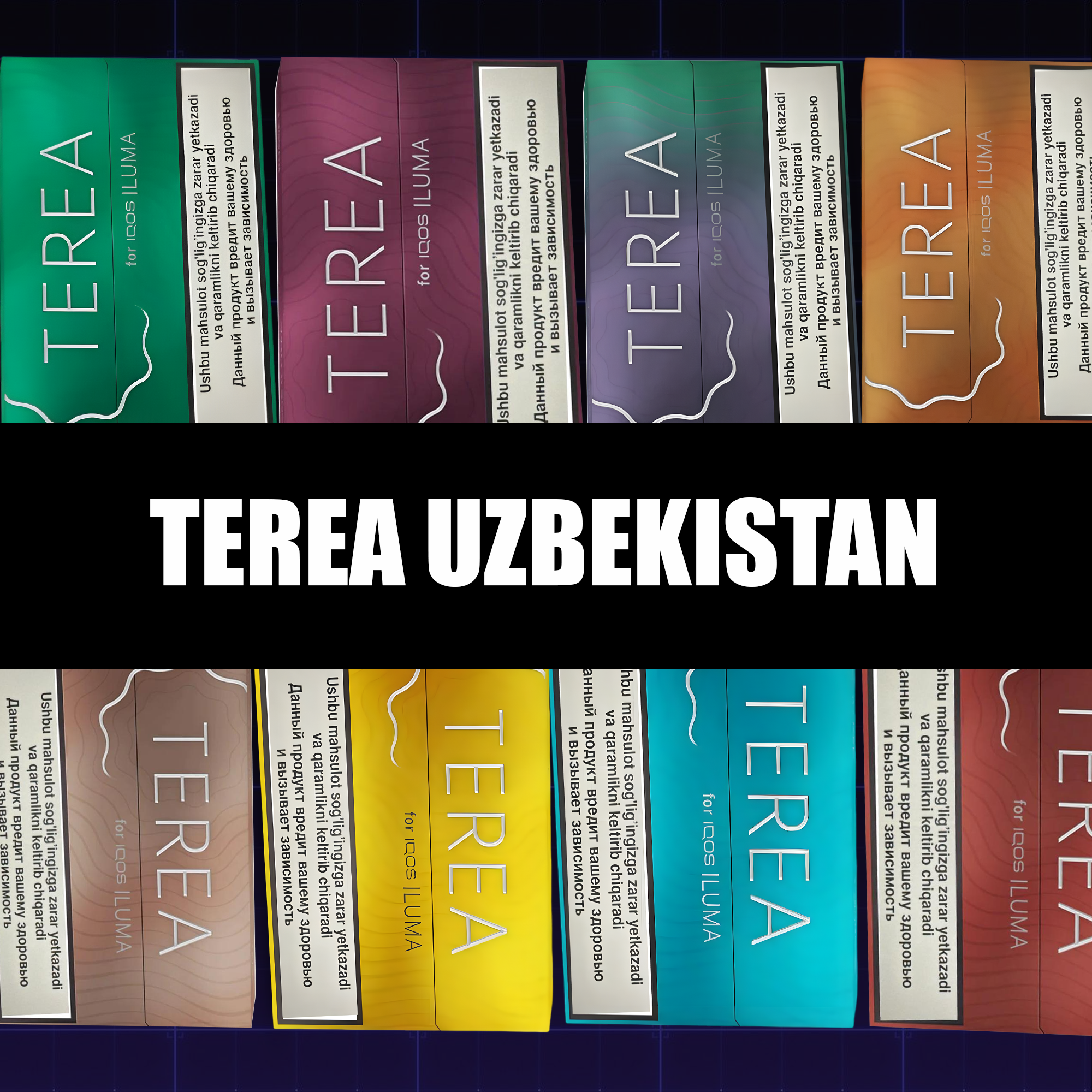
In many markets, consumers encounter both genuine and counterfeit versions of tobacco-related products. Counterfeit products can be difficult to identify because they are often designed to closely resemble authentic packaging and branding. This issue affects a wide range of consumer goods, including electronics, cosmetics, pharmaceuticals, and tobacco products.
When it comes to tobacco sticks manufactured for specific markets such as Uzbekistan, questions about authenticity are common. Consumers may want to know whether a product is genuine, legally distributed, and manufactured according to the quality standards established by the brand owner.
It is important to understand that authenticity verification is primarily a matter of consumer protection and product safety. Counterfeit products may not undergo the same manufacturing controls, quality assurance procedures, or regulatory oversight as genuine products. As a result, consumers may face uncertainty regarding ingredients, storage conditions, and overall product quality.
This article explains the general principles of identifying authentic products and recognizing potential warning signs of counterfeits without providing instructions for obtaining or using tobacco products.
Why Authenticity Matters
Authenticity is important for several reasons.
Consumer Protection
Genuine products are typically manufactured according to established production standards and quality-control procedures. Counterfeit products may not follow these requirements.
Product Consistency
Authentic products are generally expected to maintain consistent packaging, labeling, and manufacturing specifications. Counterfeits often show variations between batches.
Regulatory Compliance
Products distributed through authorized channels are generally required to comply with local regulations, taxation requirements, and labeling laws.
Traceability
Legitimate manufacturers often maintain systems that allow products to be tracked through the supply chain. Counterfeit products may lack this traceability.
Understanding Counterfeit Products
A counterfeit product is an item that imitates a genuine brand without authorization.
Counterfeit goods may attempt to copy:
- Brand logos
- Product names
- Packaging design
- Security markings
- Tax stamps
- Product codes
The goal is often to make the product appear authentic even though it was not produced or distributed by the legitimate manufacturer.
Because counterfeiters continue improving their imitation techniques, consumers should never rely on a single indicator when evaluating authenticity.
Examining Packaging Quality
One of the first indicators of authenticity is packaging quality.
Major manufacturers invest heavily in packaging design and production standards. Genuine products typically display consistent printing, colors, and materials.
Potential warning signs include:
Blurry Printing
Authentic packaging generally contains sharp text and clear graphics.
Signs of concern include:
- Fuzzy letters
- Smudged ink
- Uneven printing
- Poor image quality
Inconsistent Colors
Counterfeit packaging may use colors that differ slightly from official branding.
Look for:
- Unusual shades
- Uneven color application
- Differences between packs
Low-Quality Materials
Genuine products often use packaging materials that feel sturdy and professionally produced.
Possible concerns include:
- Thin cardboard
- Weak seals
- Poor finishing
- Rough edges
Check Product Labels Carefully
Labels often contain important information regarding manufacturing and distribution.
Consumers should review:
- Product name
- Manufacturer information
- Market designation
- Health warnings
- Tax information
- Production codes
Potential warning signs include:
Spelling Errors
Large manufacturers rarely release products containing spelling mistakes.
Watch for:
- Misspelled words
- Incorrect grammar
- Unusual punctuation
Formatting Issues
Counterfeit packaging may display:
- Misaligned text
- Inconsistent fonts
- Irregular spacing
Missing Information
Missing regulatory information may indicate a problem.
Security Features
Many manufacturers incorporate security features into packaging to combat counterfeiting.
Examples may include:
- Holographic elements
- Security seals
- Unique identification codes
- Specialized printing methods
- Tamper-evident packaging
Security features are often difficult for counterfeiters to reproduce accurately.
Consumers should inspect such features carefully and look for signs of tampering or poor replication.
Examine Product Codes
Many genuine products include production codes or batch numbers.
These codes can help manufacturers:
- Track production
- Monitor quality control
- Manage distribution
Potential warning signs include:
- Missing codes
- Illegible codes
- Duplicate codes across multiple products
- Poor printing quality
However, the presence of a code alone does not guarantee authenticity because counterfeiters may copy codes from genuine products.
Evaluate Package Consistency
Authentic products from the same production line usually exhibit a high degree of consistency.
If multiple packages show noticeable differences in:
- Color
- Typography
- Printing quality
- Layout
- Material texture
this may warrant closer examination.
Consistency is often one of the strongest indicators of professional manufacturing.
Consider the Source
The source of a product can significantly affect the likelihood of authenticity.
Questions consumers often consider include:
- Was the product purchased from a legitimate retail source?
- Is the seller reputable?
- Does the product appear properly packaged and sealed?
- Are regulatory labels present?
Products from unknown or unofficial channels may carry a higher risk of being counterfeit.
Price Can Be a Warning Sign
Extremely low prices sometimes indicate authenticity concerns.
Counterfeit products are often sold at unusually low prices to attract buyers.
While discounts can occur legitimately, unusually large price differences should encourage consumers to exercise caution.
A price that appears too good to be true may justify additional scrutiny.
Look for Signs of Tampering
A genuine product may become questionable if packaging appears altered after manufacturing.
Possible indicators include:
- Broken seals
- Resealed packaging
- Damaged wrapping
- Glue residue
- Torn labels
Tampering does not necessarily prove a product is counterfeit, but it can indicate that the product has been mishandled.
Storage Conditions Matter
Even genuine products can be negatively affected by improper storage.
Warning signs may include:
- Excessive moisture damage
- Warped packaging
- Fading
- Unusual odors
- Mold or contamination
Consumers should remember that authenticity and condition are separate issues. A product may be genuine yet poorly stored.
Common Myths About Authenticity
Myth 1: A Hologram Guarantees Authenticity
While holograms can be helpful, counterfeiters sometimes attempt to imitate them.
A hologram should be considered one indicator rather than definitive proof.
Myth 2: High Price Means Genuine
A counterfeit product can be sold at a premium price.
Price alone does not confirm authenticity.
Myth 3: Similar Packaging Means Genuine
Counterfeit packaging can closely resemble authentic packaging.
Consumers should evaluate multiple factors rather than relying solely on appearance.
Myth 4: Counterfeits Are Always Obvious
Modern counterfeits may be sophisticated and difficult to identify.
Careful inspection is often necessary.
The Role of Manufacturers
Manufacturers continuously develop anti-counterfeiting measures.
These efforts may include:
- Enhanced packaging security
- Supply-chain monitoring
- Product tracking systems
- Consumer awareness programs
- Cooperation with regulators
The goal is to protect consumers and maintain product integrity.
Consumer Safety Considerations
When discussing authenticity, safety should remain the primary concern.
Counterfeit products may:
- Bypass quality-control procedures
- Use unknown materials
- Lack proper storage oversight
- Contain inaccurate labeling
Because consumers cannot independently verify manufacturing conditions, caution is advisable whenever authenticity is uncertain.
Frequently Asked Questions
What is a counterfeit product?
A counterfeit product is an unauthorized imitation designed to appear genuine.
Does authentic packaging guarantee authenticity?
Not necessarily. Packaging can be copied, so multiple indicators should be considered.
Are batch numbers always reliable?
Batch numbers can be useful but may also be copied by counterfeiters.
Why do counterfeit products exist?
Counterfeiters attempt to profit by imitating established brands and consumer trust.
What should consumers do if authenticity is uncertain?
Consumers should avoid assuming authenticity based on a single feature and seek information from official manufacturer resources where available.
Conclusion
Verifying the authenticity of products intended for the Uzbekistan market involves careful attention to packaging quality, labeling, security features, product codes, consistency, and overall presentation. No single indicator can definitively prove authenticity, but evaluating multiple factors together can help identify potential warning signs.