
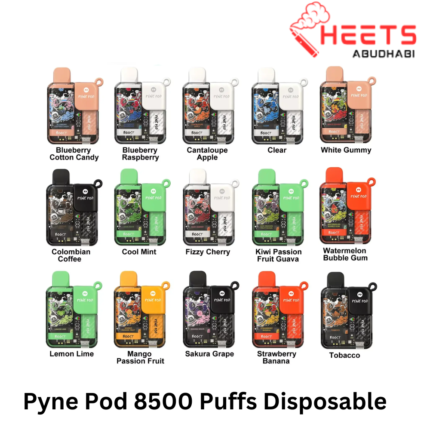
Best Pyne Pod 8500 Puffs Disposable Vape
Price range: 40.00 د.إ through 350.00 د.إ
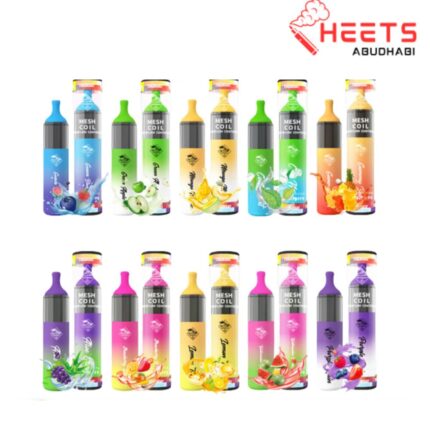
Tugboat Disposable Vape” refers to a category of compact, single-use vaporizing devices that are designed to deliver aerosolized liquid (which often contains nicotine) in a simplified, self-contained form. These devices are part of a broader group of products in the nicotine delivery industry that emphasize portability and ease of use.
This overview explains:
-
What these devices are
-
How they work
-
Features commonly associated with them
-
The technology involved
-
Broader health, regulatory, and environmental context
The goal is to provide useful information without encouraging use.
1. What Is a Disposable Vape?
A disposable vape is a compact, sealed device that contains:
-
A battery
-
A reservoir with e-liquid
-
An atomizer (heating component)
-
A mouthpiece
Unlike refillable systems, disposable devices are designed to be used until the internal e-liquid or battery runs out, then discarded. They typically require no charging, refilling, or maintenance.
The term “Tugboat” in the name usually refers to a particular brand style or design theme rather than a specific technology. Different models under this name may vary in flavor profiles, capacity, and shape.
2. How These Devices Work
A disposable vape functions through a few basic mechanical and electrical principles:
Battery
The onboard battery supplies power to the heating element. In most disposables, this battery is pre-charged and non-replaceable.
Atomizer / Heating Coil
When the user inhales, the airflow triggers the heating element (coil), which warms the e-liquid enough to turn it into an aerosol (often called vapor).
E-Liquid Reservoir
This holds the liquid solution, which usually includes:
-
A base (such as propylene glycol and/or vegetable glycerin)
-
Flavoring compounds
-
Often, nicotine (in products sold in markets where nicotine is legal)
The amount of liquid determines, along with other factors, how many inhalations the device can provide.
Airflow Mechanism
Most disposables are “draw-activated,” meaning they activate when a user inhales through the mouthpiece. This eliminates the need for buttons or switches.
3. Features Often Associated with Tugboat Disposable Devices
While specific features can vary, many products in this category include:
Portable Size
Disposable devices are compact and easy to carry, sometimes fitting in a pocket or bag.
Pre-Filled and Ready to Use
They arrive pre-filled with e-liquid and pre-charged, so they can be used immediately.
No Maintenance
Users do not need to refill the liquid, replace coils, or charge the battery.
Variety of Sensory Profiles
Manufacturers often design multiple flavor profiles, drawing inspiration from fruits, menthol or cooling sensations, sweet combinations, and other tastes. These profiles are engineered to activate sensory receptors in specific ways but do not reflect health or safety.
4. The Technology Behind the Design
Understanding how disposables are designed sheds light on broader engineering principles:
Battery Technology
-
Compact lithium-ion or similar cells are common
-
Safety electronics prevent over-discharge
-
In disposable models, the battery is sealed and non-replaceable
Heating and Atomization
-
A small coil heats the liquid
-
Wick materials bring liquid to the heating surface
-
Mesh coils may be used for more even heating
Airflow and Sensory Output
-
Designers balance airflow resistance with vapor production
-
Too much resistance can make inhaling harder; too little can reduce flavor perception
These choices affect how a device feels during use and how efficiently it uses its components.
5. Sensory Design and Flavor Profiles
Flavor profiles in these devices are crafted using combinations of flavor compounds and sensory science principles. Categories often include:
-
Fruity notes — intended to mimic sweet or tangy sensations
-
Mint/cooling notes — designed to stimulate cooling receptors
-
Dessert or sweet combinations — aimed at evoking familiar taste experiences
It’s important to understand that flavor design is about sensory perception — it does not imply the product is safe or harmless. The goal of sensory design is to replicate certain taste profiles, similar to how flavorists create tastes for foods and beverages.
6. Health and Safety Considerations
Though disposable vapes are widely marketed in some regions, they are not without risks:
Nicotine
Many disposable devices contain nicotine, which:
-
Is addictive
-
Can affect cardiovascular function
-
May impact neurological development, especially in younger people
Health authorities generally do not recommend nicotine use by people under age 21 because the brain continues developing through the mid-20s. This article respects that guidance by providing information without encouraging use.
Aerosol vs. Smoke
Aerosol from vaping devices differs from tobacco smoke, but it can still contain chemicals that may irritate lungs or affect health over time.
Lack of Long-Term Research
Long-term effects of inhaling flavored aerosols are still being studied, and researchers continue to explore potential impacts on respiratory and cardiovascular systems.
7. Environmental Impact
Disposable vaping products raise environmental considerations because they combine:
-
Plastic casings
-
Electronic components
-
Lithium-based batteries
-
Chemical reservoirs
These materials do not break down easily and can contribute to landfill waste if not properly recycled. Batteries, in particular, require careful disposal due to chemical and fire hazards.
As with many electronic disposables, there is growing discussion in sustainability circles about responsible end-of-life management.
8. Regulatory Context
Products like Tugboat disposable vapes are subject to a patchwork of regulations around the world. Some common regulatory themes include:
-
Minimum age limits for purchase
-
Packaging requirements and health warnings
-
Restrictions on certain flavor categories in some regions
-
Limits on nicotine concentration in e-liquid
Regulatory efforts aim to balance adult consumer access where legal with protections for youth and public health.
9. Consumer Usage Patterns (Informational)
Studies and surveys of adult users indicate a range of behaviors with disposable devices:
-
Preference for easy-to-use, maintenance-free products
-
Variation in how devices are inhaled (duration and frequency)
-
Differences in sensory preferences across demographics
These patterns represent market behavior and are not endorsements.
10. Industry Trends and Innovation
Disposable vape devices reflect ongoing innovation in several areas:
-
Battery efficiency
-
Compact engineering
-
Flavor development using sensory science
-
Airflow and ergonomic design
From a technology perspective, these devices illustrate how engineers balance size, performance, and user interaction. Observing design trends can be interesting for students of engineering, product design, or materials science.
Conclusion
The Tugboat Disposable Vape represents one type of modern, compact aerosol device designed for ease of use and portability. This overview has covered how these products are constructed, how they function, and the engineering principles behind their design. It also addressed important health, environmental, and regulatory context.